
The Waskaganish 350th Anniversary committee approached Zerosum with a monumental objective. They needed to encapsulate centuries of rich heritage, traditional hospitality, and cultural resilience into a central narrative piece for their upcoming year of celebrations. As the oldest Cree settlement and the birthplace of the British fur trade in western Canada, Waskaganish holds a unique place in history. The primary challenge was balancing the deep, time immemorial presence of the Eeyou Istchee people on the shores of the Rupert River with the specific historical milestones of the past 350 years, including interactions with early explorers and the establishment of the Rupert Land colony. The final deliverable had to serve both as an educational tool for younger generations and a rallying point to mobilize the community in honoring their ancestors.
Zerosum brought significant value to this partnership by merging high-level visual production with our core mission of creating digital pathways for Indigenous communities. We worked closely with local leaders and historical teams to ensure the narrative was authentically guided by the community itself. By translating complex historical timelines and archaeological records into an accessible format, our team provided a digital foundation that firmly connects the past to the present. The resulting project not only honors the immense contributions of the Cree people to resource management and Aboriginal rights but also amplifies their ongoing legacy of strength, innovation, and partnership across the region.
Executing this commemorative piece required a hybrid approach that seamlessly blended focused on-location cinematography with extensive post-production compositing. Field production took our crew directly to Waskaganish to capture establishing b-roll and record the principal on-camera address from Chief Darlene Chechoo. The bulk of the heavy lifting occurred in post-production under the guidance of Darryl Hester from the Waskaganish 350th anniversary team. Because much of the early history lacks visual documentation, we sourced rare archival photographs and historical fragments to build the visual foundation. A major technical achievement of the project was the digital reconstruction of Fort Charles. We referenced archaeological records to build a 3D model of the fort. We fully animated this settlement alongside a digital recreation of the historic voyage of the Nonsuch. These 3D animations were finally woven together with the archival imagery, the modern field footage, and a rich voiceover track provided by Cynthia Taylor, resulting in a cohesive and visually striking documentary sequence.
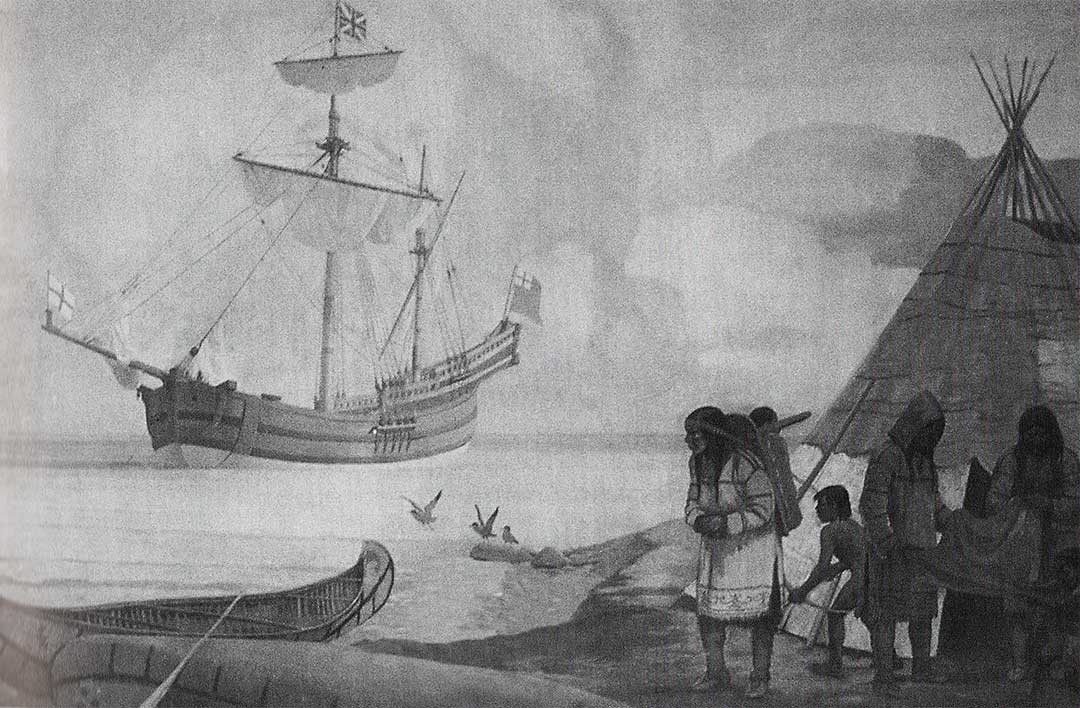
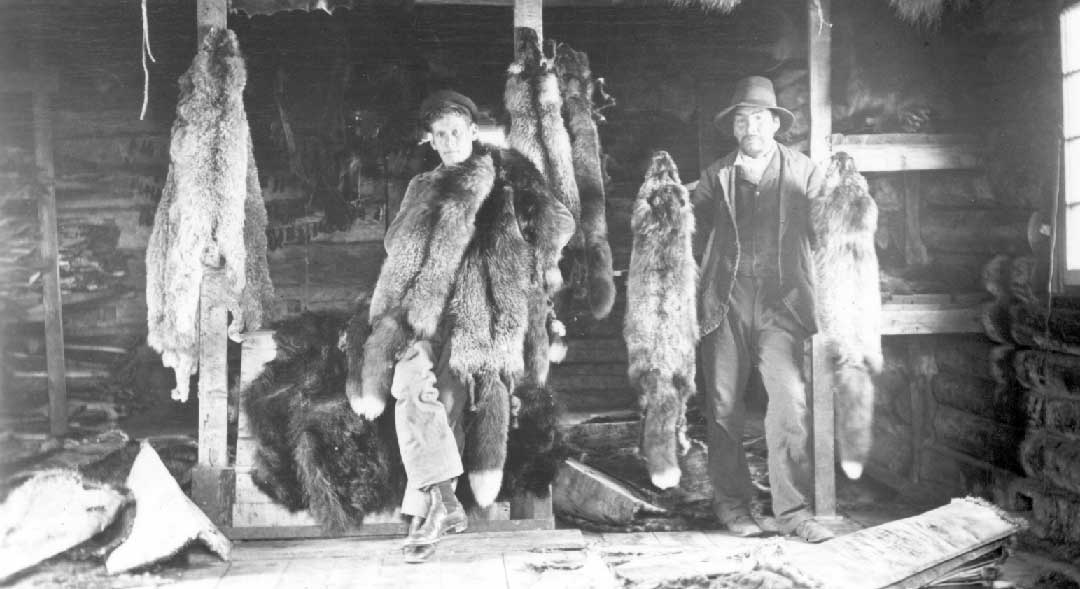
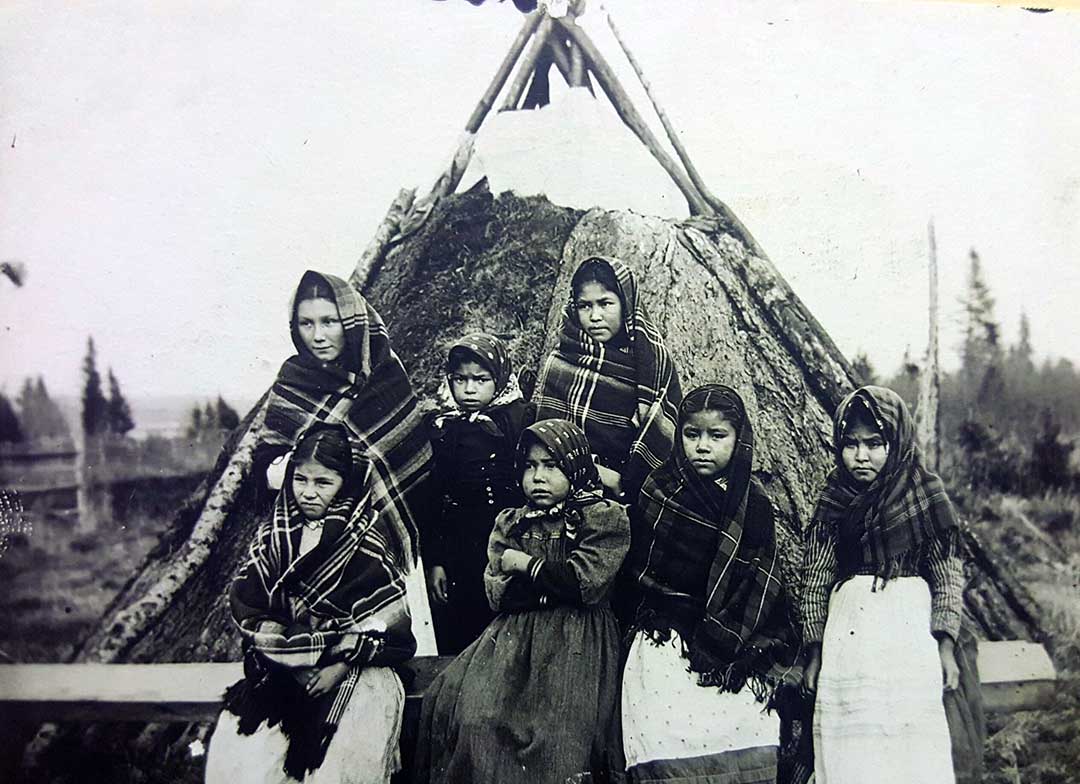
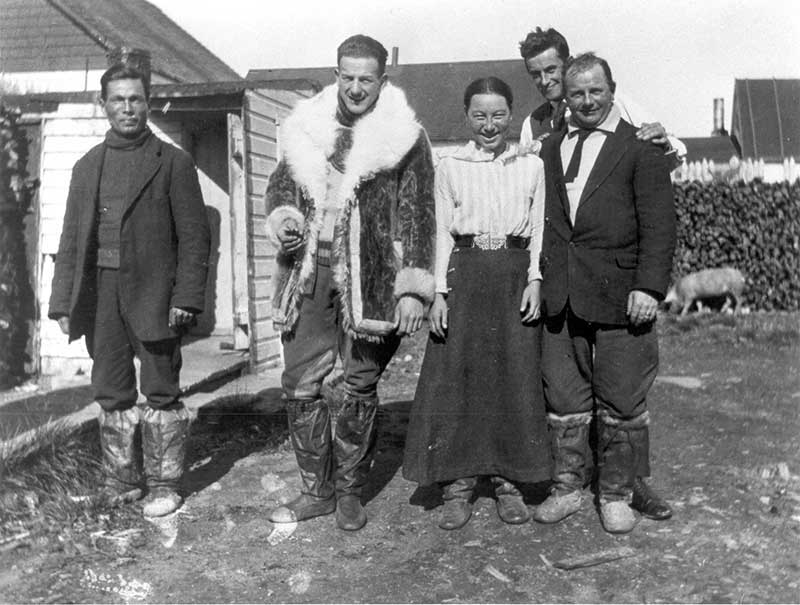
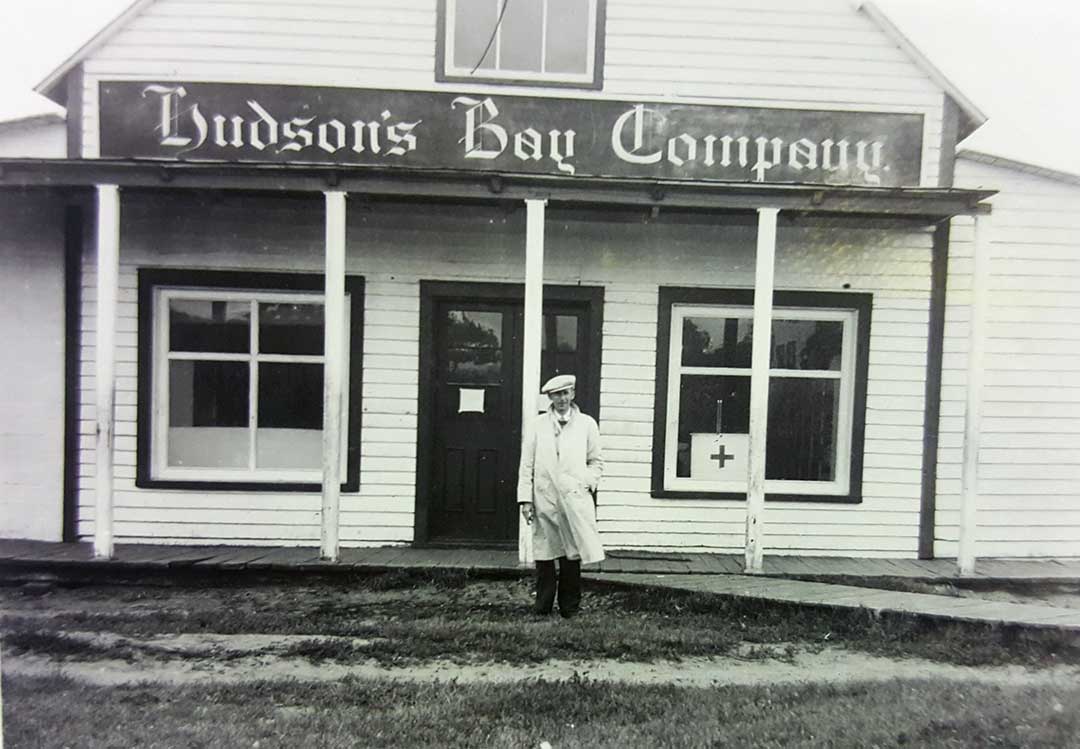
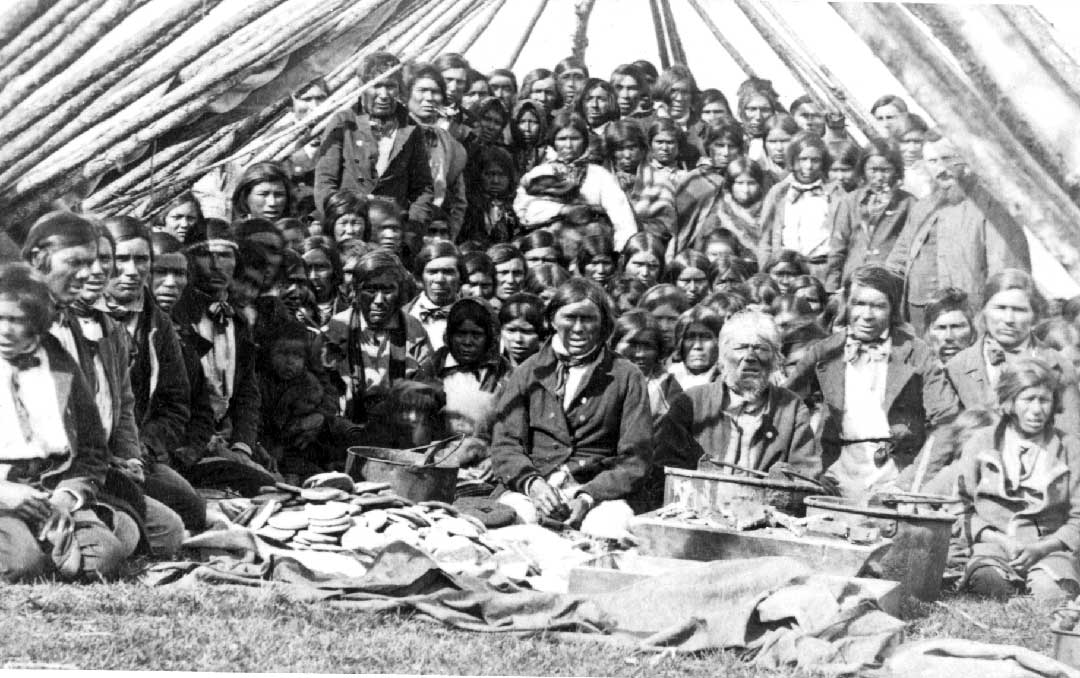
Waskaganish stands as a vibrant testament to resilience, community, and the deep roots of the Eeyou Istchee people. This commemorative project captures the profound historical and cultural significance of the oldest Cree settlement as it celebrates its 350th anniversary as a central gathering place. Long before the earliest European exchanges in 1611 or the arrival of the Nonsuch in 1668, the shores of the Nemaska Sibi (Rupert River) served as a bedrock for Indigenous life and prosperity. The narrative traces the monumental impact of this community on the establishment of the Hudson Bay Company and the British fur trade, alongside its fundamental role in shaping Canada as a nation.
Viewers are guided through a legacy of groundbreaking resource management. The film details how traditional land tenure practices, pioneered by early local game wardens like John Blacksmith, successfully protected and stabilized the regional beaver population. The piece also highlights the extraordinary leadership born in Waskaganish, from negotiating the first contemporary land claim agreement in Canadian history to helping draft the UN Declaration on the Rights of Indigenous Peoples. Through engaging digital storytelling, the narrative transitions to the upcoming year-long anniversary celebration organized around the changing seasons. The community will soon unveil a physical replica of Fort Charles alongside feasts, teachings, authentic Cree crafts, and a major summer concert. Ultimately, this piece is an exercise in capacity building for Indigenous communities, ensuring the profound stories, strength, and visionary partnerships of the Eeyou/Eenou peoples are preserved and passed down to future generations.
This is Waskaganish. This is our home. This is our heritage. This is our future.
A hidden jewel of Eeyou Istchee, Waskaganish is today a vibrant community full of promise, hope, and renewal.
Many towns and cities are proud of their history, and rightly so. However, our community has made history not only for its people, but for all Aboriginal peoples as well as for Canada itself. It is with great honor and joy that we celebrate our 350th anniversary of the gathering place.
Since time immemorial we have inhabited the land of Eeyou Istchee and made our livelihood on the shores of the Nemaska Sibi (Rupert River). For the past 350 years we have made Waskaganish our home and gathering place where we continue to welcome everyone to our lives and culture.
Waskaganish is the oldest Cree settlement, an important historical site in the James Bay region, and the birthplace of the Hudson Bay Company and the British fur trade in western Canada. From the earliest exchanges in 1611 with Henry Hudson, to welcoming the crew of Zachariah Gilliam’s ship Nonsuch in 1668, we have continued a long history of trade and hospitality.
As the first northern settlement in Canada, Fort Charles was the capital of the Rupert Land colony, hosting governors, missionaries, historians, hunters and families from far and wide. To celebrate this rich historical heritage, during the 350th Anniversary we will unveil a replica of Fort Charles and Nonsuch to share and teach our history with the younger generations and mobilize the community to honor our ancestors, culture, and values.
Our rich cultural heritage not only helped established the largest trading company in the world, but also set the example for resource management approaches in Canada. The approach based on traditional land tenure practices became a regional model that saved the beaver population in Eeyou Istchee. The fact that the trap line system still functions as basis for our land tenure today, is due to the hard work of our hunters such as John Blacksmith who became the first game warden in the 1930s.
Leaders born and raised in our community have negotiated the first contemporary land claim agreement in the history of Canada (the James Bay and Northern Quebec Agreement) and have actively participated on the international scene to promote and protect Aboriginal rights, including the drafting of the UN Declaration on the Rights of Indigenous Peoples.
Inspired by these traditions, the schedule will be organized around the seasons and the activities will showcase the best Waskaganish has to offer: storytelling, feasts, gatherings, teachings, authentic Cree crafts, including a 3-day concert featuring Shania Twain and John Fogerty in July. To honor the wisdom and innovation of our leaders, as well as our strength as a Nation, a tradeshow and other guest speaker activities will bring us together as Eeyou/Eenou peoples while celebrating our partnerships in the region and across Canada.
